
50–59°F Backed by Research: Pick a Cold Plunge Temperature by Goal

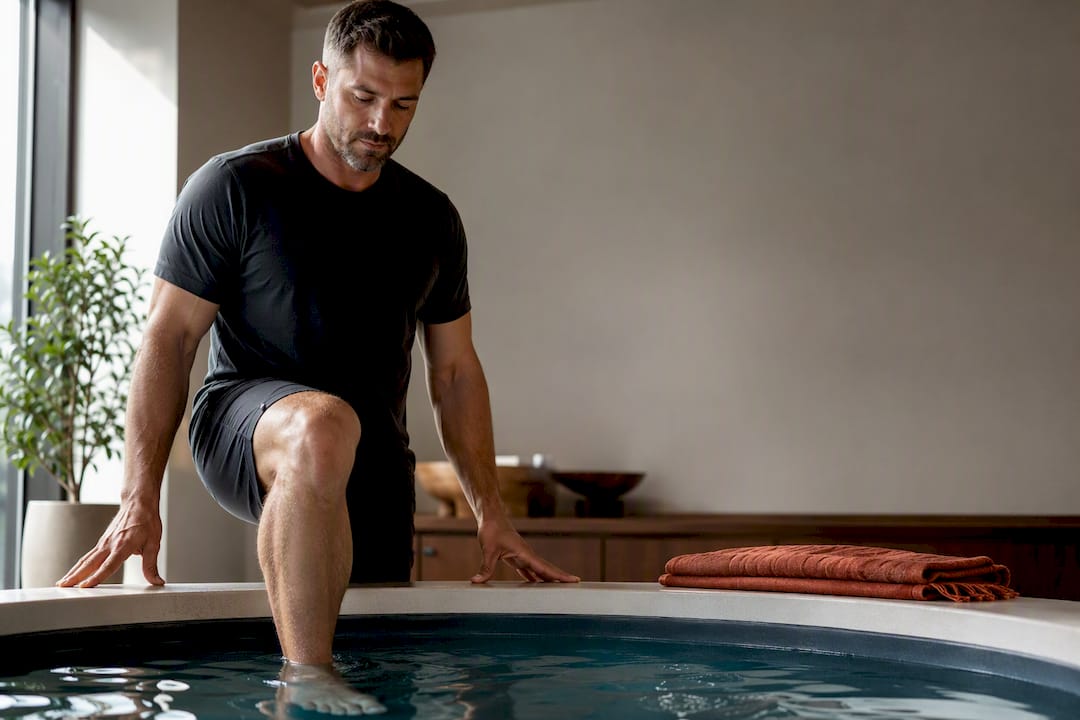
The best-evidenced cold plunge temperature for most people is 50–59°F (10–15°C), a range backed by decades of recovery research and echoed in guidance from Harvard Health and Mayo Clinic. Stay in the water anywhere from one to ten minutes depending on your goal, always with a thermometer in hand. If you have any cardiovascular condition, talk with your doctor before you ever step in, and never go below 40°F without direct medical supervision.
TL;DR:
Cold plunge temperatures below 50°F increase the risk of hypothermia without showing significant performance benefits over the standard 50–59°F range.
Maintaining sessions within 3–8 minutes and in water between 50–59°F optimizes recovery and safety for most healthy adults.
People with cardiovascular conditions should consult a doctor before engaging in cold water immersion due to potential heart stress.
Starting at the higher end of the recommended temperature range and gradually dropping the temperature over weeks helps build tolerance safely.
Supervised sessions and regular temperature monitoring are crucial for safe cold plunging, especially if venturing below 45°F.
Table of Contents
What Is the Ideal Cold Plunge Temp for Your Goals?
We believe healing works best when it is matched to the person, not a one-size formula, and cold plunge temperature is no exception. The right number on your thermometer depends heavily on why you are climbing into the water in the first place.
For beginners, a temperature slightly warmer than the typical 50–59°F (10–15°C) range can provide a gentler entry point that still delivers the cold shock response without overwhelming a nervous system that has never faced it before. This is where we would encourage anyone new to cold water immersion to start, even if the number feels almost too mild to matter.
For general recovery and wellness, 50–59°F (10–15°C) is the range most consistently cited across the research. A systematic review of cold-water immersion trials found that most studies cluster right here, with reviewers often recommending 11–15°C specifically for athlete recovery protocols.
For experienced users chasing a stronger adaptation effect, some push into the 45–50°F (7–10°C) range. And for the small population that trains for extreme cold exposure, sub 45°F sessions exist, but they demand real experience and, frankly, real caution.
Here is how that breaks down in practice:
Beginner: shorter sessions at the higher end of commonly recommended temperatures, building comfort and confidence
General recovery/wellness: sessions in the commonly used 50–59°F range, 3–8 minutes, 2–4 times weekly
Experienced/performance (45–50°F): 5–10 minute sessions, for those with months of consistent practice
Extreme/advanced: exposures to temperatures below 45°F require supervision and experience and are not recommended for beginners
The 50–59°F band gets emphasized so often because it strikes a balance. It is cold enough to trigger the physiological responses people seek, mild enough that most healthy adults can tolerate it safely, and it matches the temperature range used in the majority of the clinical literature. A runner icing sore quadriceps after a race and someone simply chasing better mood and alertness in the morning can both use this same range, just for different lengths of time.
How Long Should You Stay in a Cold Plunge?
Temperature and time work together. Colder water demands a shorter stay; milder water allows a longer one. Think of it less as a single number and more as a dosage, the way a physician thinks about medication strength alongside how often it is taken.
Most published protocols keep sessions short. The PLOS One pooled analysis of randomized trials reviewed interventions ranging from 30 seconds all the way up to two hours, at temperatures between 7 and 15°C, and found that shorter, colder exposures generally produced the same short-term markers as longer ones at milder temperatures.
For anyone starting fresh, we recommend a simple progression:
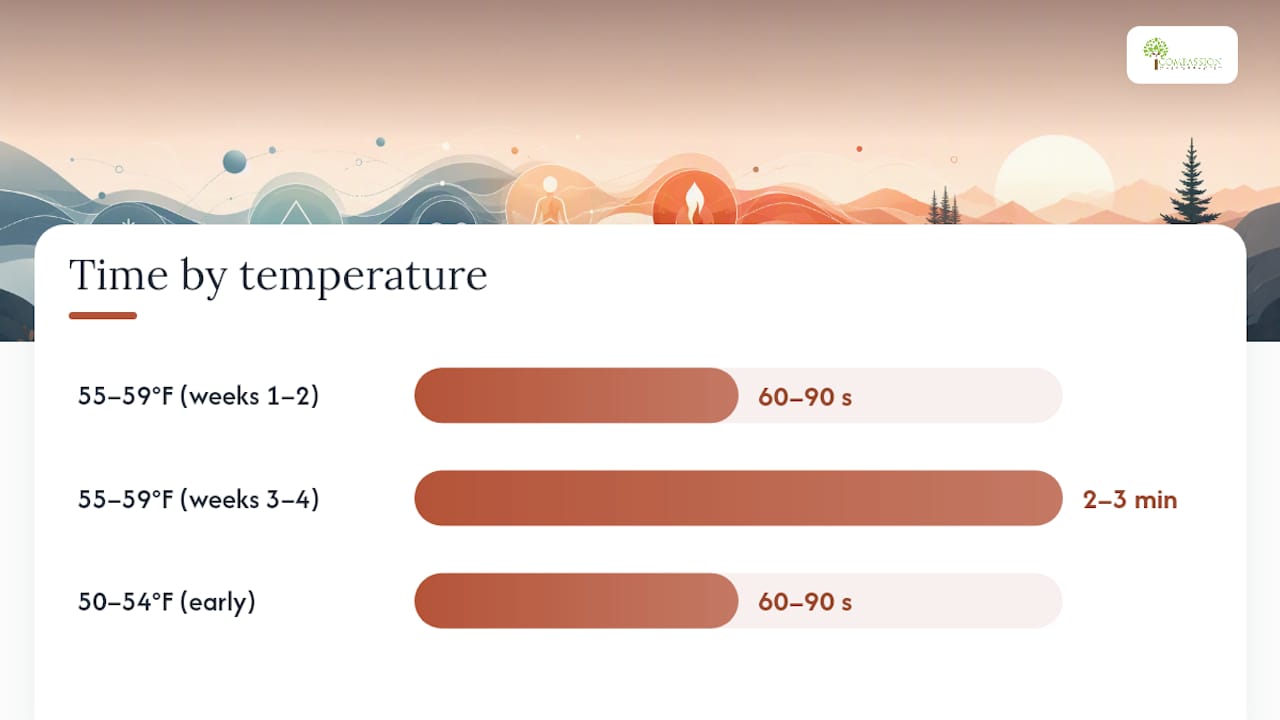
Week 1–2: 55–59°F for 60 to 90 seconds, focusing entirely on steady breathing.
Week 3–4: Extend to 2–3 minutes at the same temperature, or drop to 50–54°F while keeping the shorter time.
Month 2 and beyond: Adjust based on how your body responds. Add time in small increments, no more than a minute or two at a stretch.
Ongoing maintenance: Settle into whatever combination of time and temperature you can repeat consistently, two to four times a week.
That last point matters more than people expect. Practical guidance from cold plunge researchers notes that the best temperature is ultimately the one you can repeat consistently rather than whatever extreme a viral video happened to feature.
Longer is not automatically better, either. Extended exposure below 50°F raises real hypothermia risk, and several reviews have found no consistent performance advantage to temperatures under 10°C compared with the standard range. Colder water pulls heat from your core faster than most people realize, and the returns taper off long before the risk does.
What Does the Research Actually Say About Cold Plunging?
The science on cold water immersion is more nuanced than the wellness world often suggests, and we think that nuance deserves honest treatment rather than a marketing gloss.
Meta-analyses examining cold water immersion after exercise consistently find measurable reductions in delayed-onset muscle soreness and blood markers like creatine kinase, a byproduct released when muscle fibers experience stress. What is less consistent is the effect on athletic performance itself. A meta-analysis of cold-water immersion research drawing on more than 50 studies found solid support for reducing soreness, but mixed results when it comes to strength or power output days later.
Here is what happens physiologically when you enter cold water:
Cold shock response hits within the first 30 to 90 seconds: gasping, rapid breathing, spiked heart rate.
Vasoconstriction narrows blood vessels near the skin, pushing blood toward your core to protect vital organs.
Norepinephrine release surges, which is part of why people report feeling sharper and more alert afterward.
These effects scale with temperature. Colder water triggers a stronger, faster cascade of all three.
A BMC Sports Science, Medicine and Rehabilitation review looked specifically at whether colder is better and found no consistent advantage to temperatures below 10°C over the standard 10–15°C range for most recovery outcomes. That is a meaningful finding. It tells us the intense, ultra-cold plunges that dominate social media are not necessarily doing more for your body, just more to your nervous system’s stress response.
Put together, this is why 50–59°F earns the recommendation it does. It delivers the norepinephrine boost, the vasoconstriction, and the soreness reduction that the research actually supports, without the added cardiovascular strain and diminishing returns that come with chasing single-digit temperatures. Experts at Mayo Clinic Health System have also cautioned against treating cold plunges as a universal cure for everything that ails you, which is guidance we think every reader deserves to hear plainly.
Who Should Avoid Cold Plunging, and What Are the Warning Signs?
Cold water immersion asks a lot of your cardiovascular system in a very short window, and that is where caution has to come first. Harvard Health has noted that sudden cold exposure can spike heart rate and blood pressure quickly, which is exactly why certain groups need a conversation with a clinician before they ever get in.
Talk to a doctor first if you have:
Cardiac disease, arrhythmias, or uncontrolled high blood pressure
A history of stroke or blood clots
Raynaud’s syndrome or cold urticaria (a cold-triggered skin reaction)
Pregnancy, or a chronic respiratory condition like asthma
Clinical guidance also recommends screening for cardiovascular risk factors before anyone begins a cold plunge program, given how much stress the initial immersion places on the heart.
Know the warning signs, too. Uncontrollable shivering, confusion, slurred speech, or blue lips mean it is time to get out immediately and warm up. The National Weather Service warns that cold shock and hypothermia can set in faster than most people expect once core temperature starts to drop.
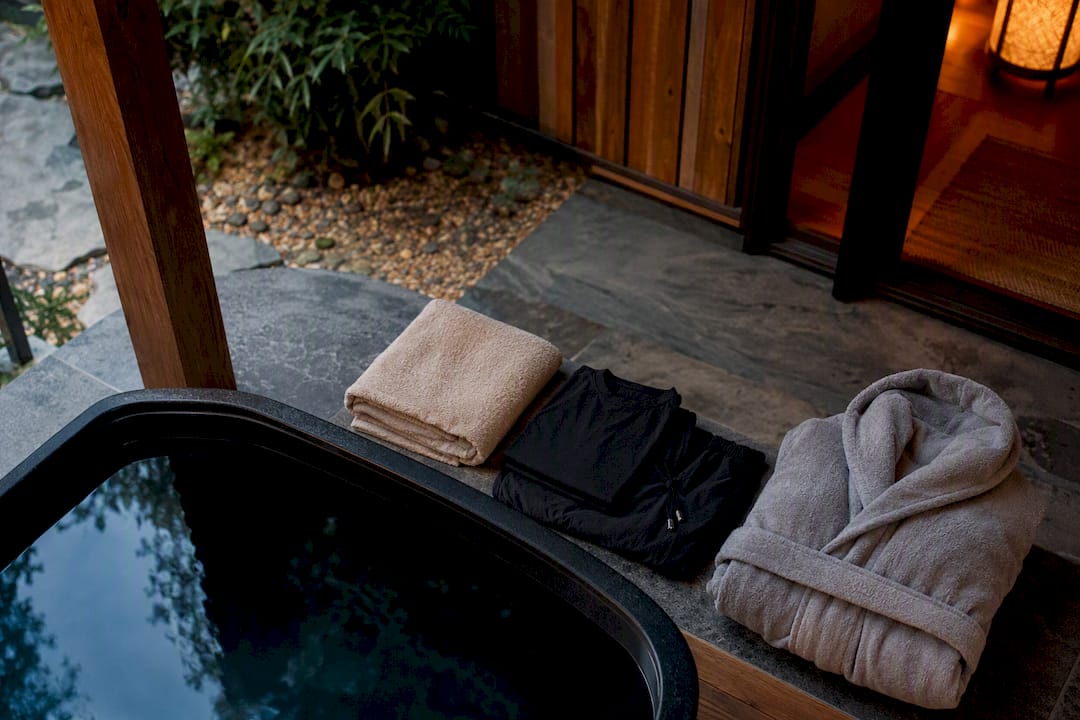
Pro Tip: Never plunge alone. Have a towel, dry clothes, and a warm space ready before you get in, not after.
How Do You Set Up a Safe Cold Plunge Routine?
A reliable routine starts with a reliable thermometer, not a guess. Water that feels “cold enough” by hand can vary by ten degrees or more from one day to the next, especially outdoors, so an actual reading matters more than instinct.
Measure correctly. Submerge the thermometer several inches below the surface, away from any ice or heating element, and let it settle for a few seconds before reading.
Start warm, then step down. Begin at 59–65°F for your first sessions, then drop a few degrees every week or two as your tolerance builds.
Practice slow breathing. Long exhales help counter the gasp reflex and keep your heart rate from spiking as sharply.
Log each session. Note the temperature, duration, and how you felt afterward. Patterns will show up faster than you expect.
Plan your exit. Keep a towel, warm clothing, and a heated space nearby, and never do this final step alone.
Clinical guidance also stresses avoiding routine plunges below 40°F and always keeping a thermometer on hand rather than relying on how the water feels.
Pro Tip: If you’re using an outdoor source like a lake or unheated tub, check the temperature at the start and midway through your session. Conditions can shift more than you’d think.
How some practices may supervise cold plunge sessions
Supervised cold plunge sessions can be paired with therapies like cryotherapy and infrared sauna as part of a broader rehabilitation plan, rather than as stand-alone treatments. Patients are typically screened for contraindications first, with gradual progression under watchful care similar to other therapeutic adjustments.
A Realistic Take on Cold Plunge Temperature
If there is one thing we want you to walk away with, it is this: 50–59°F is where the evidence lives, and slow progression beats bravado every time. The research supports real benefits for soreness and recovery, but it is not a cure for everything, and your own body’s response matters more than any protocol online. Log your sessions, notice what changes, and loop in a clinician if you carry any health risk. Healing, like faith, tends to reward patience over intensity.
— James
Ease Into Cold Plunge Therapy With Clinical Support
Cold plunge temperature guidelines only take you so far without someone watching how your body actually responds, and that is where Compassion Chiropractic offers something different from a solo tub in your garage. Our cold plunge tub is available as part of a supervised recovery program, paired when appropriate with cryotherapy and other rehabilitation therapies, so you are never guessing whether a temperature or duration is right for your health history.

If you are managing chronic pain, recovering from an injury, or simply curious whether cold plunge therapy fits your wellness goals, our team can screen you for contraindications before you ever step in the water. Reach out through our online booking page to schedule a visit and ask about adding supervised cold plunge sessions to your care plan.
This article is general information, not a substitute for advice from a qualified doctor. Consult a qualified healthcare professional about your own circumstances before acting on anything here.
Sources
FAQ
What temperature is Joe Rogan’s cold plunge set to?
Public reports have cited Joe Rogan’s plunge to a temperature considerably colder than the 50–59°F range most research supports for general recovery and safety.
Does a cold plunge raise cortisol?
Cold exposure triggers an acute norepinephrine and stress-hormone surge, including cortisol, but this response is short-lived and part of the adaptation process rather than a sign of harm for healthy individuals.
What happens after 30 days of consistent cold plunging?
Most people report better tolerance to cold, improved subjective recovery, and steadier mood, though long-term claims beyond that remain less firmly established in the research than short-term soreness reduction.
Is 78 degree water too cold to swim in?
No, 78°F is considered comfortable for swimming and sits well above true cold plunge territory, which starts at 59°F and drops from there.
Recommended
Comments